

Understanding Brake Pads
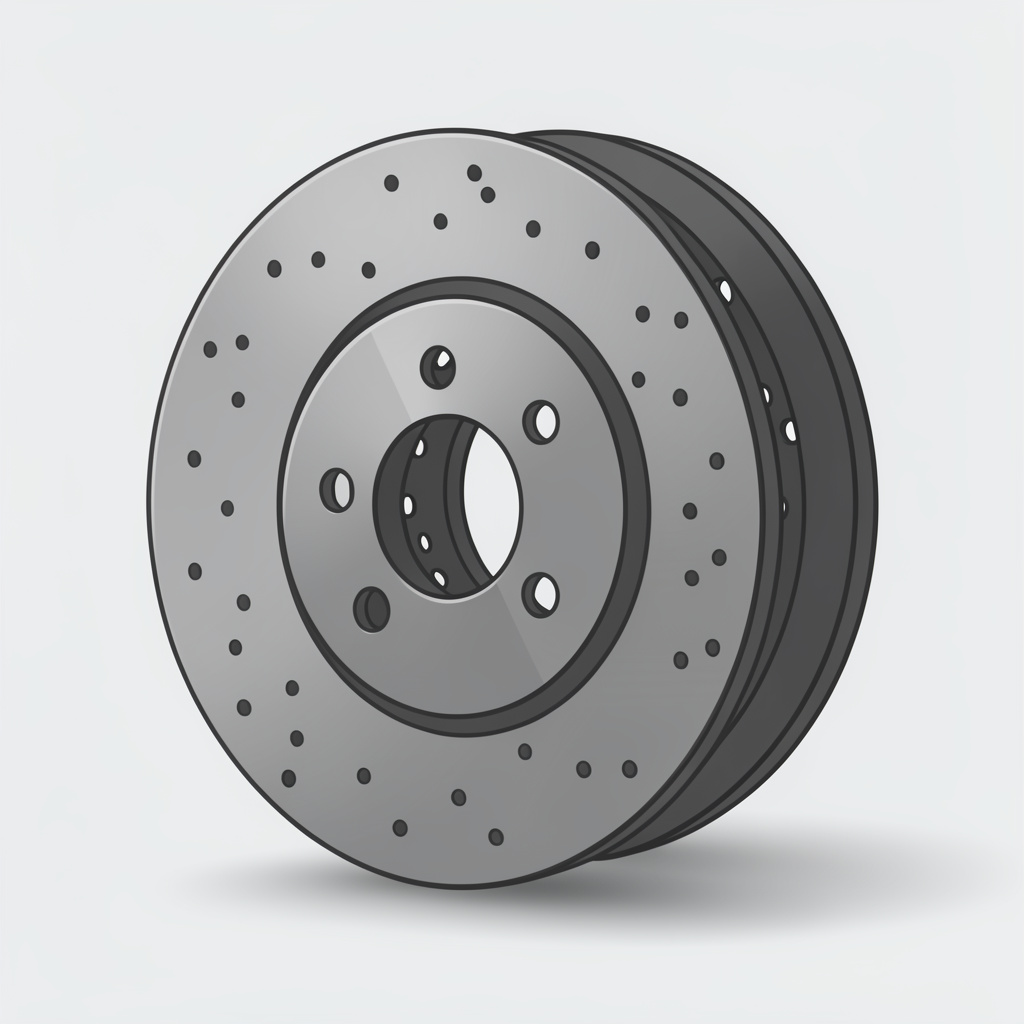
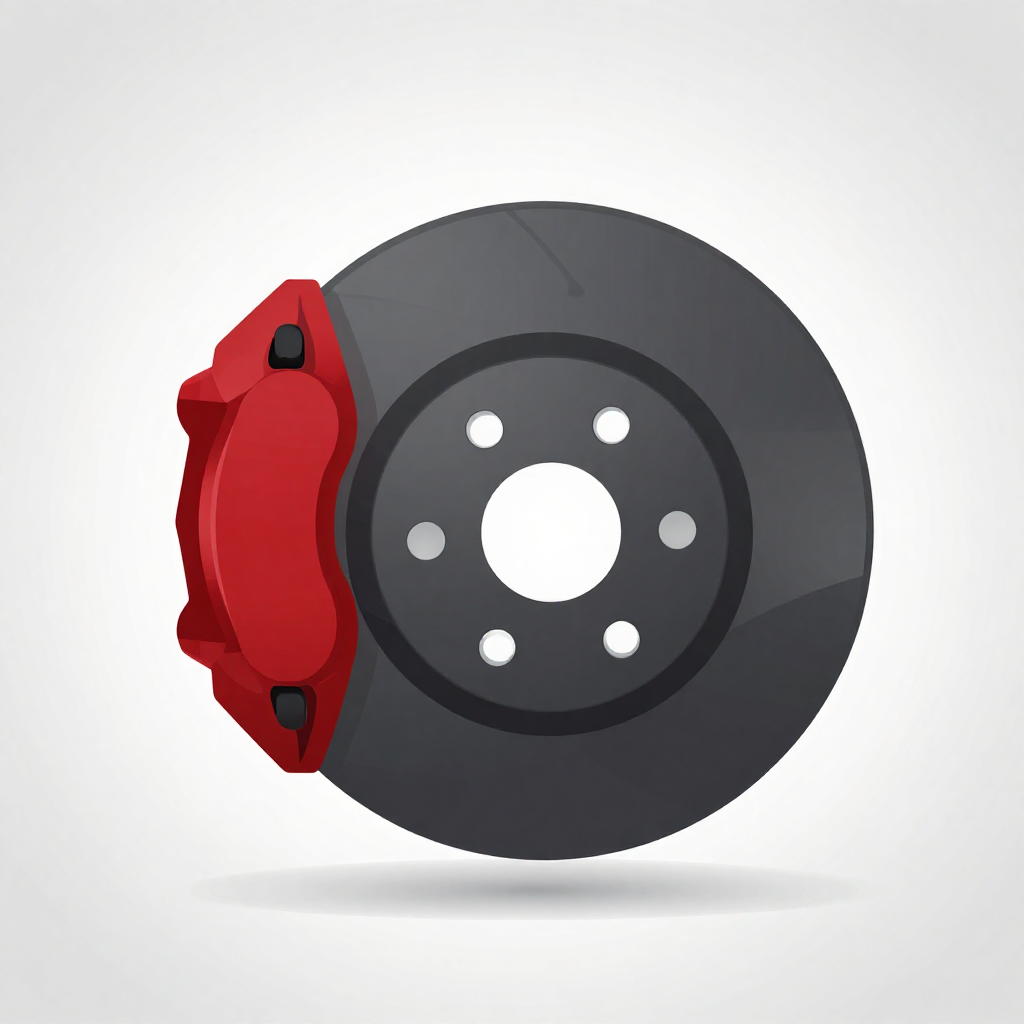
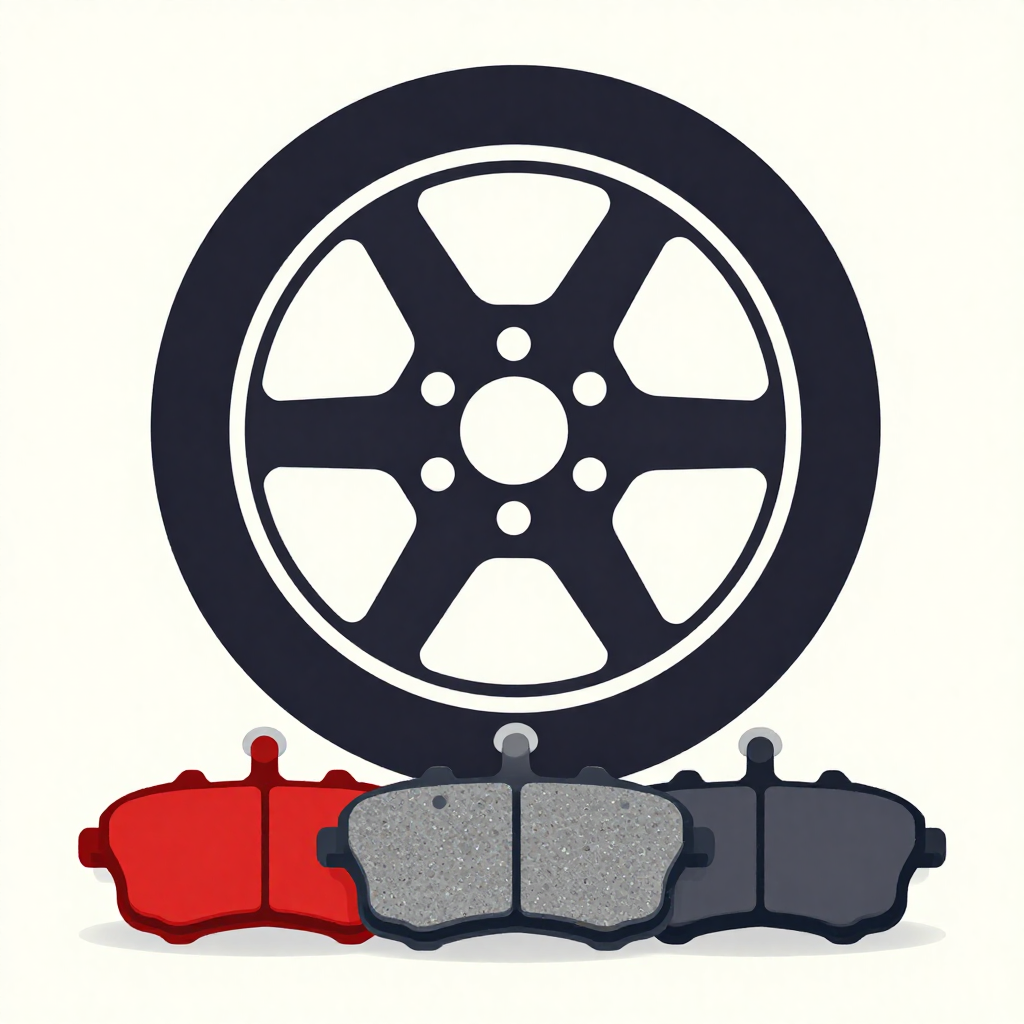
Brake pads are one of the most frequently replaced components in your vehicle's brake system. They press against the brake discs to create the friction needed to stop your vehicle. Regular inspection and timely replacement ensures safe braking performance and prevents damage to your brake discs.
When to Replace Brake Pads
Most brake pads need replacement every 25,000 to 70,000 kilometers, but this varies based on driving conditions. City driving with frequent stops wears brake pads faster than highway driving. Warning signs include squealing sounds, reduced braking power, and the brake warning light. Never ignore these signs as worn brake pads can damage your expensive brake discs. For a deeper understanding of how all brake components work together, read our complete guide to brake systems.
Types of Brake Pads
- Organic brake pads: Quieter, less dust, but wear faster
- Semi-metallic brake pads: Better heat dissipation, longer life
- Ceramic brake pads: Premium option, quiet, low dust, excellent performance
- Performance brake pads: For high-performance vehicles and heavy use
Front vs. Rear Brake Pads
Front brake pads wear much faster than rear pads because front brakes handle most of the stopping force. You'll typically replace front brake pads 2-3 times for every one rear pad replacement. Always replace brake pads in axle pairs to maintain balanced braking. When installing new brake pads, inspect your brake discs for signs of wear, scoring, or warping.
Choosing Quality Brake Pads
Quality brake pads make a significant difference in braking performance and longevity. Consider your driving style, climate, and vehicle type. Performance vehicles benefit from high-temperature brake pads, while daily drivers often prefer quiet ceramic pads. Always ensure compatibility with your brake discs and verify the pads meet or exceed OEM specifications. When shopping for quality parts online, choosing a trusted supplier ensures you get genuine brands.
Installation and Break-In
New brake pads require a proper break-in period to achieve optimal performance. This process transfers a thin layer of pad material onto the brake disc surface. Follow the manufacturer's break-in procedure, typically involving gradual stops from moderate speeds. Avoid hard braking during the first few hundred kilometers with new pads.
Shop quality brake pads and brake discs at Fastparts. We stock all major brands with competitive pricing and fast delivery to keep your brake system in top condition.