

How Turbochargers Work
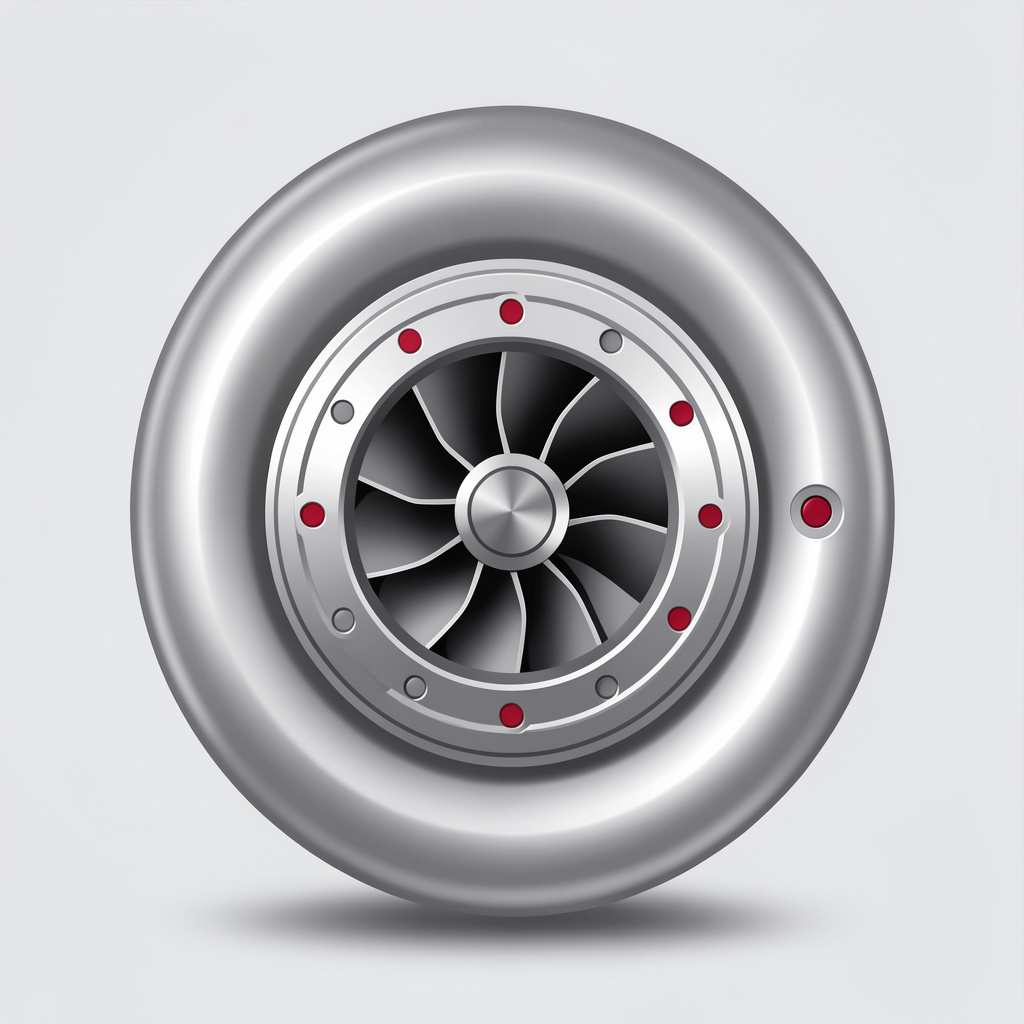
A turbocharger uses exhaust gas energy to spin a turbine that compresses incoming air, forcing more oxygen into the engine's combustion chambers. This allows the engine to burn more fuel per cycle, dramatically increasing power output without increasing engine size. Modern turbochargers spin at speeds exceeding 150,000 RPM and operate at extreme temperatures, making quality components essential for reliable performance.
Turbocharger Types and Technology
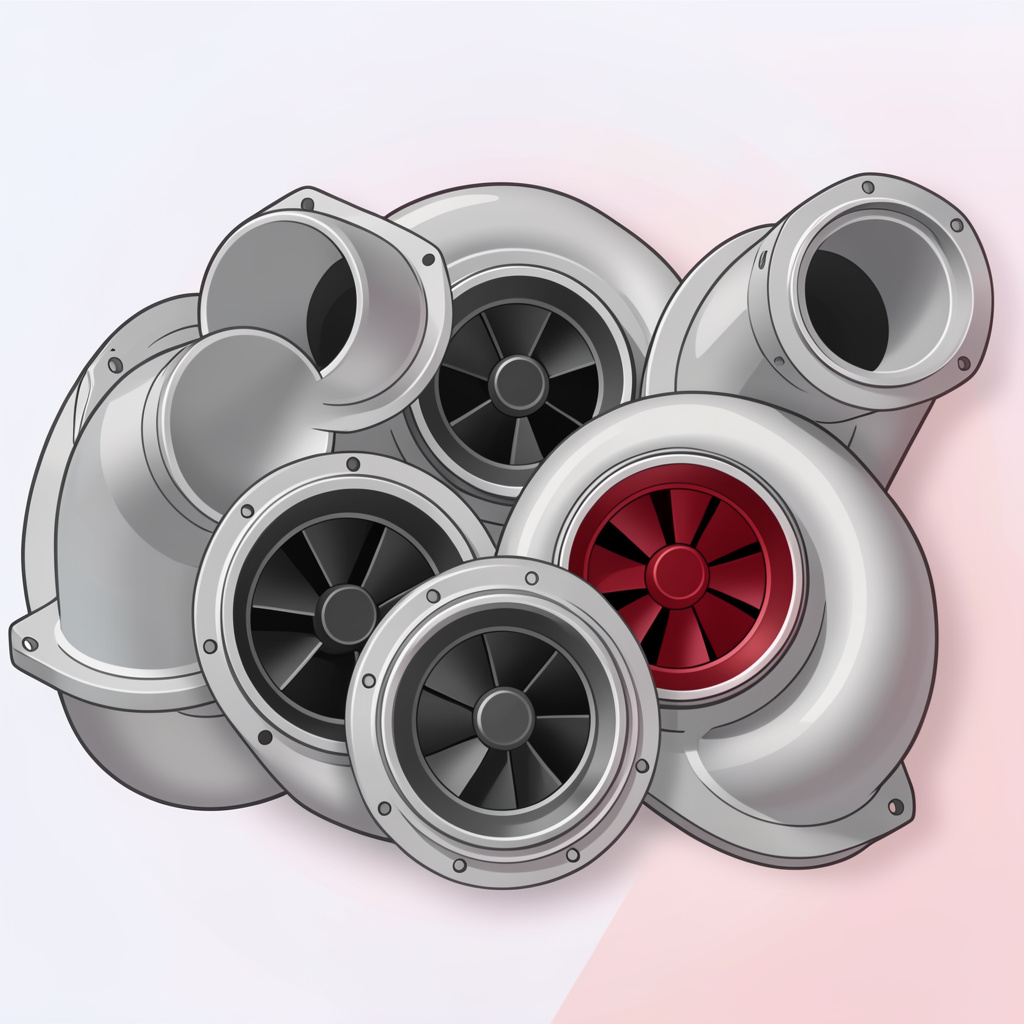
Single turbo systems are the most common and cost-effective, found in most passenger vehicles. Twin-scroll turbos improve response by separating exhaust pulses from different cylinder groups. Variable geometry turbos (VGT) adjust vane angles to optimize boost across the RPM range. For a deeper understanding of turbo function and maintenance, proper knowledge of these types helps when choosing replacements.
Signs of Turbocharger Failure
Common turbocharger failure signs include excessive exhaust smoke (blue or white), whining or grinding noises from the turbo area, loss of power and sluggish acceleration, increased oil consumption, and check engine light with turbo-related fault codes. Catching problems early prevents catastrophic failure where turbo fragments can enter the engine. Regular oil changes with quality engine oil are the most important preventive measure.
Turbocharger Maintenance Tips
- Use quality synthetic oil and change it at manufacturer intervals
- Replace oil filters at every oil change to protect turbo bearings
- Allow turbocharged engines to idle briefly before shutting off after hard driving
- Never use low-quality or incorrect oil viscosity grades
- Check boost hoses and intercooler connections for leaks regularly
- Address check engine lights promptly — overboost can damage the turbo
Choosing Quality Turbocharger Parts
When replacing a turbocharger, choose reputable brands that meet or exceed OEM specifications. Always replace the oil feed and return lines during turbo replacement to prevent contamination of the new unit. Quality oil filters are equally important, as turbo bearings are especially sensitive to oil contamination. Consider whether a new, remanufactured, or exchange turbo best suits your needs and budget.
Garrett, Holset, and Borg Warner Compared
Garrett (now part of Garrett Motion) is the world leader in passenger car and light commercial turbos, known for reliability and wide vehicle coverage. Holset (Cummins Turbo Technologies) specializes in heavy-duty diesel applications with excellent durability. Borg Warner (now BorgWarner) offers advanced technology including electrically assisted turbos. All three brands provide OEM-quality turbochargers that ensure proper fitment and performance.
Browse our selection of quality turbochargers at Fastparts. We stock Garrett, Holset, Borg Warner, and other leading brands with competitive prices and fast delivery. Find the right turbo for your vehicle and restore peak engine performance.