

How the Clutch Works
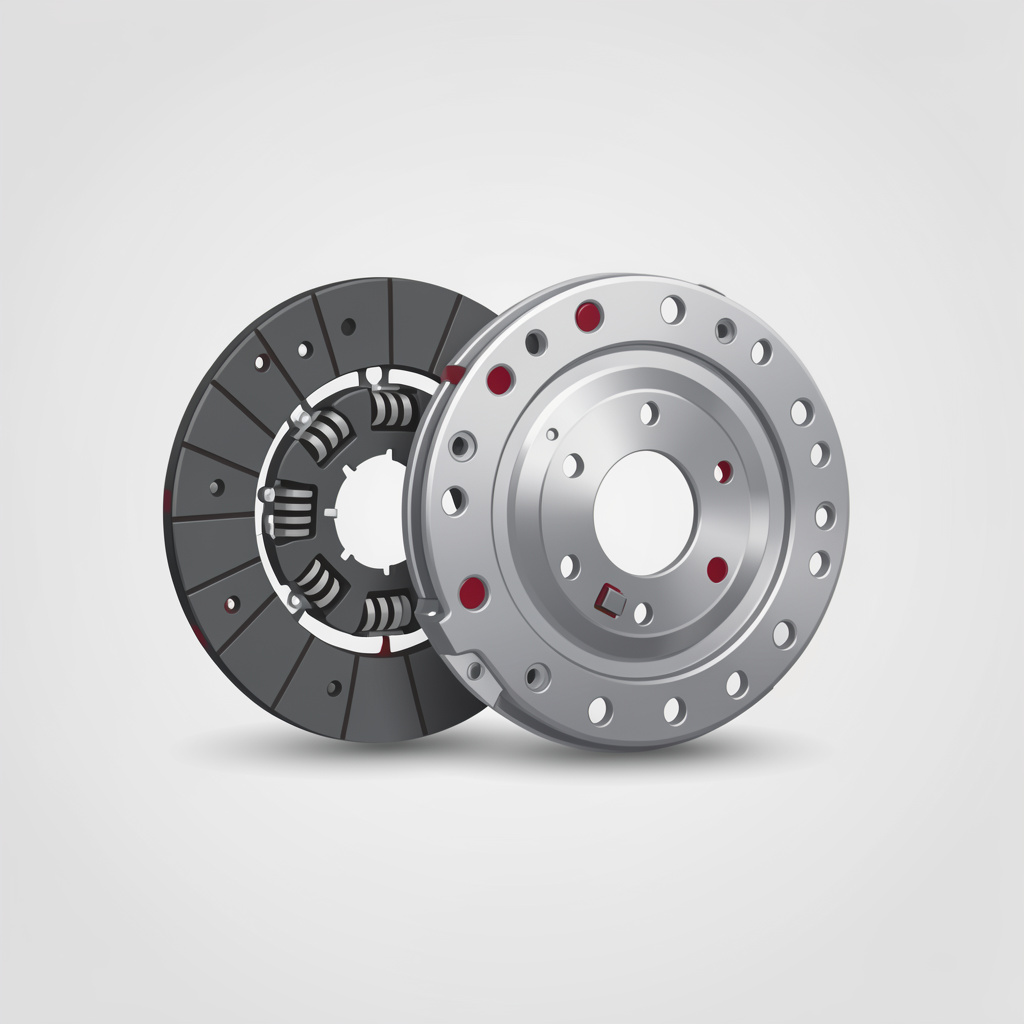
The clutch connects and disconnects the engine from the transmission, allowing you to change gears smoothly and come to a stop without stalling. When you press the clutch pedal, the release bearing pushes against the pressure plate, releasing the clutch disc from the flywheel surface. This interrupts power flow from the engine to the transmission. Releasing the pedal re-engages the disc, transmitting engine torque to the drivetrain.
Types of Clutch Systems
Single-disc dry clutches are standard in most passenger vehicles. Dual-mass flywheel (DMF) systems with single-disc clutches absorb torsional vibrations from modern diesel engines. Multi-plate clutches appear in high-performance applications. Hydraulic clutch actuation provides smoother engagement than cable-operated systems. Self-adjusting clutches maintain consistent pedal feel as the disc wears, while conventional clutches may develop a higher engagement point over time.
Signs of Clutch Wear
A slipping clutch is the most common symptom — the engine revs rise without corresponding acceleration, especially under load or in higher gears. Other signs include difficulty engaging gears, a chattering or grabbing sensation during engagement, unusual noises when pressing or releasing the pedal (indicating release bearing wear), and a spongy or unusually high pedal engagement point. Burning smell during driving indicates severe slipping that damages the clutch disc rapidly.
Clutch Maintenance Tips
- Avoid resting your foot on the clutch pedal while driving — this causes premature wear
- Do not hold the vehicle on a hill using the clutch — use the handbrake instead
- Engage the clutch smoothly and completely — avoid partial engagement at high RPM
- Check and maintain hydraulic clutch fluid at the correct level
- Address any clutch noise or feel changes promptly to prevent cascading damage
- When replacing the clutch, always resurface or replace the flywheel
Complete Clutch Replacement Guide
A complete clutch kit includes the disc, pressure plate, and release bearing — always replace all three together. Inspect the flywheel surface and replace a dual-mass flywheel if it shows excessive play or heat damage. Replace the pilot bearing and rear main seal while the transmission is removed. This comprehensive approach prevents repeat repairs. For vehicles with hydraulic actuation, also inspect the slave cylinder for leaks and replace if needed — keep hydraulic fluid at the correct level. Our steering systems guide covers other related driveline components.
Choosing Quality Clutch Parts
LuK, Sachs, and Valeo are the world's leading OEM clutch manufacturers, supplying most vehicle makers directly. Their aftermarket kits use identical specifications and materials. A quality clutch kit properly installed should last 100,000–200,000 km depending on driving style and conditions. Avoid budget clutch components that use inferior friction materials — they wear faster and can damage the flywheel. For related maintenance, see our water pump guide.
Browse quality clutch kits, clutch discs, flywheels, and clutch control components at Fastparts. We stock OEM and premium aftermarket parts from leading brands.