

Understanding Power Steering Systems
Power steering makes it possible to turn heavy vehicles with minimal effort. The system uses hydraulic pressure or an electric motor to assist the driver's steering input. Modern vehicles use either hydraulic power steering (HPS), electric power steering (EPS), or electro-hydraulic power steering (EHPS). For details on specific steering components, see our steering rack and power steering guide.
Hydraulic vs. Electric Power Steering
Hydraulic power steering uses a belt-driven pump to pressurize fluid that assists steering effort through a steering rack. It provides excellent road feel but continuously draws engine power. Electric power steering uses an electric motor directly on the steering column or rack, consuming energy only when assistance is needed. EPS also enables advanced features like lane-keeping assist and automated parking.
Signs of Steering System Problems
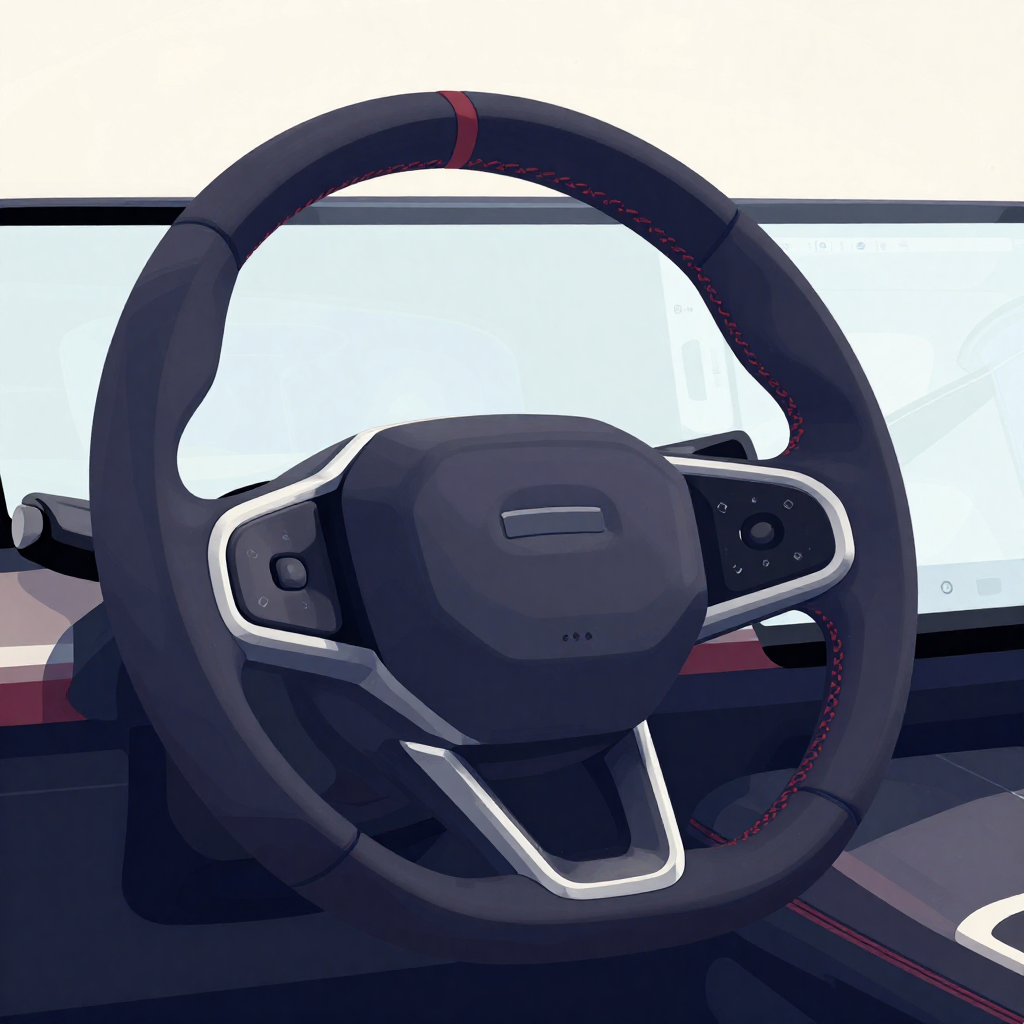
Warning signs include heavy or uneven steering feel, whining or groaning noises when turning, fluid leaks under the vehicle (red or brown puddles), loose or wandering steering, and vibration through the steering damper area. A stiff steering wheel, especially when cold, often indicates low fluid level or a failing power steering pump. Any sudden change in steering feel should be investigated immediately for safety.
Steering Fluid Maintenance
- Check power steering fluid level monthly — top up with the correct type
- Replace fluid every 50,000-80,000 km to prevent internal corrosion
- Use only manufacturer-specified power steering fluid — ATF, CHF, or specific PS fluid
- Inspect hoses and connections for leaks during every service
- Listen for pump whining — it may indicate air in the system or low fluid
- Never hold the steering wheel at full lock for extended periods
Steering Component Inspection
Regular inspection of steering components prevents dangerous failures. Check tie rod ends for play or torn boots, inspect the steering rack for leaks, examine the power steering pump belt for wear and tension, and look for damaged or deteriorated hoses. Worn steering joints also affect tire wear patterns and alignment. Combine steering inspection with drivetrain checks during routine maintenance for comprehensive vehicle health.
When to Replace Steering Parts
Replace steering components when you detect persistent leaks, excessive play in the steering wheel, unusual noises during turns, or when an alignment cannot hold because of worn parts. Power steering pump replacement is typically needed at 150,000-200,000 km. Steering racks may last longer but seals eventually fail. Always use quality OEM-spec replacement parts.
Shop quality steering system parts at Fastparts. We stock steering racks, pumps, tie rod ends, and steering fluid for all major vehicle brands with competitive pricing and fast delivery.