

Why Seasonal Tire Changes Matter
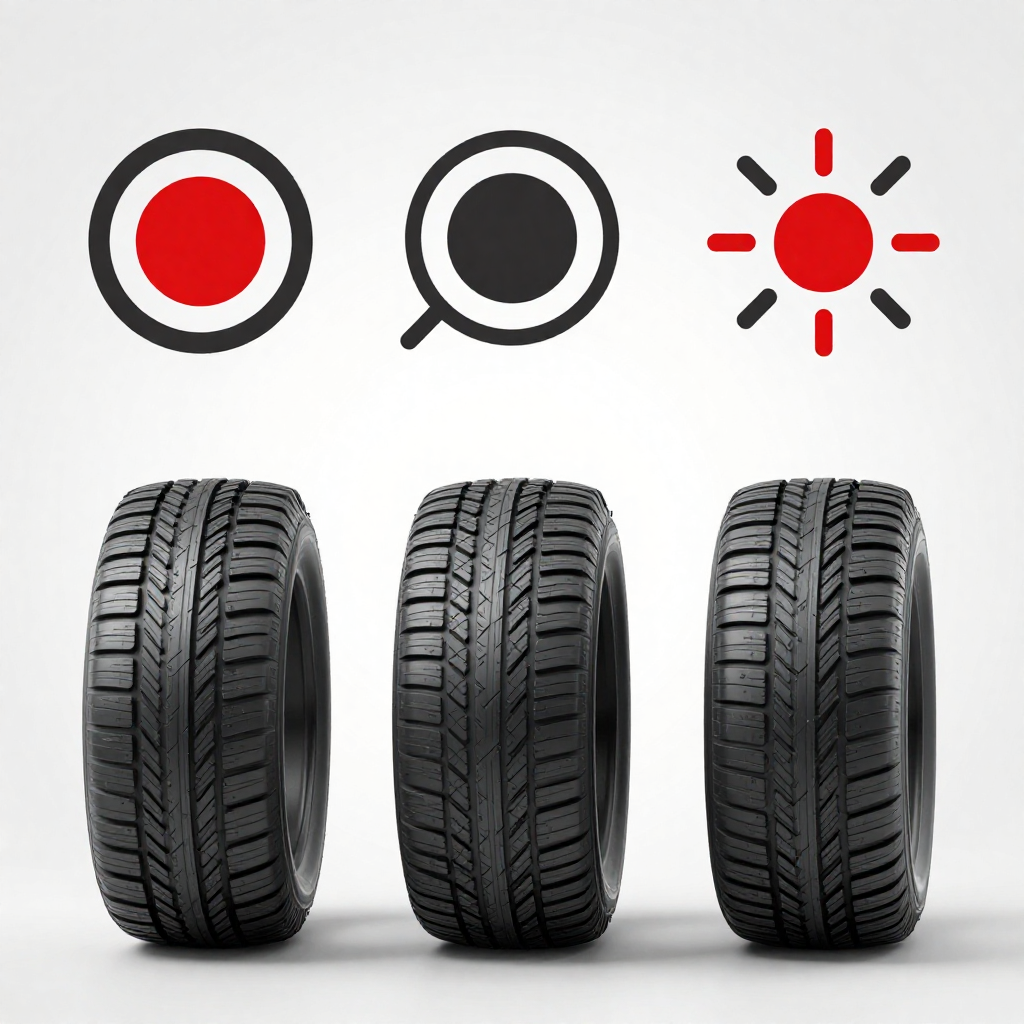
Switching between winter tires and summer tires at the right time is one of the most important safety decisions you can make as a driver. Each tire type is engineered for specific temperature ranges and road conditions. Using the wrong tires for the season compromises grip, increases stopping distances, and accelerates tire wear. In Iceland's demanding climate, proper seasonal tire changes are essential for road safety.
When to Switch to Winter Tires
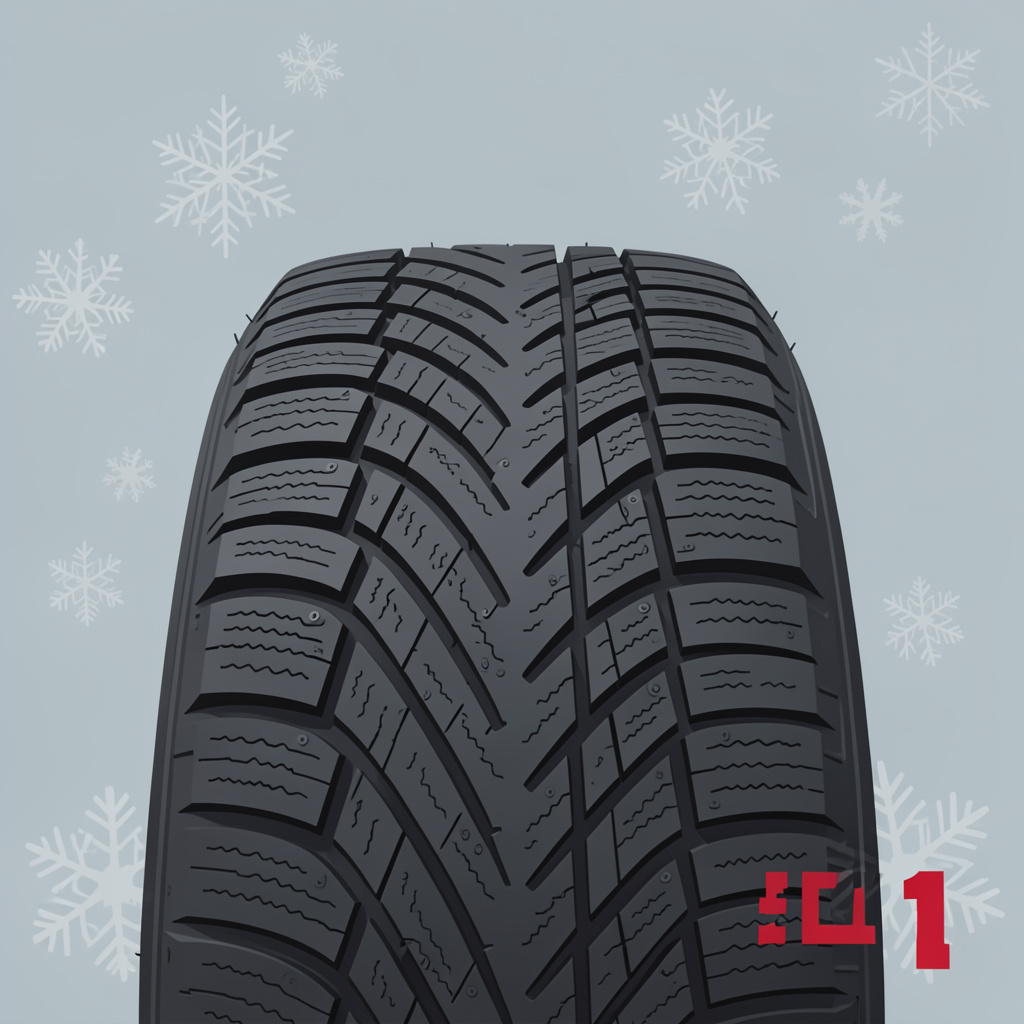
Install your winter tires when temperatures consistently drop below 7°C, typically in October or early November in Iceland. Winter tire rubber compounds are designed to remain flexible in cold temperatures, providing superior grip on snow and ice. Don't wait for the first snowfall — by then, roads may already be dangerously slippery. Most experts recommend having winter tires mounted by November 1st at the latest.
When to Switch to Summer Tires
Switch back to summer tires when spring temperatures consistently stay above 7°C, usually around April or May. Running winter tires in warm weather causes excessive wear due to their softer rubber compound, increases fuel consumption, and actually reduces grip on warm, dry roads. If you prefer not to switch twice yearly, consider all-season tires as a compromise, though dedicated seasonal tires always outperform them.
Seasonal Tire Change Checklist
- Check tread depth before mounting — minimum 4mm for winter, 3mm for summer
- Inspect tires for cracks, bulges, or uneven wear patterns
- Check and adjust tire pressure to manufacturer specifications
- Inspect brake pads and brake discs during tire changes
- Mark tire positions (FL, FR, RL, RR) for proper rotation
- Torque wheel nuts to manufacturer specifications after mounting
Proper Tire Storage Between Seasons
Proper storage extends tire life significantly. Store tires in a cool, dry, dark place away from direct sunlight and heat sources. If tires are mounted on rims, stack them horizontally or hang them on wall hooks. Unmounted tires should be stored upright and rotated monthly to prevent flat spots. Clean tires before storage and consider using tire bags to protect them from ozone damage.
Professional vs. DIY Tire Changes
While experienced drivers can swap wheels at home if tires are pre-mounted on rims, professional tire service ensures proper mounting, balancing, and alignment. A professional tire specialist will also inspect your brakes, suspension, and wheel condition during the change. For tires not mounted on rims, professional equipment is essential to avoid damaging the tire bead or rim.
Browse our full range of winter tires and summer tires at Fastparts. We stock all major brands with competitive pricing and fast delivery, so you're always ready for the next season change.