

What Are All-Season Tires?
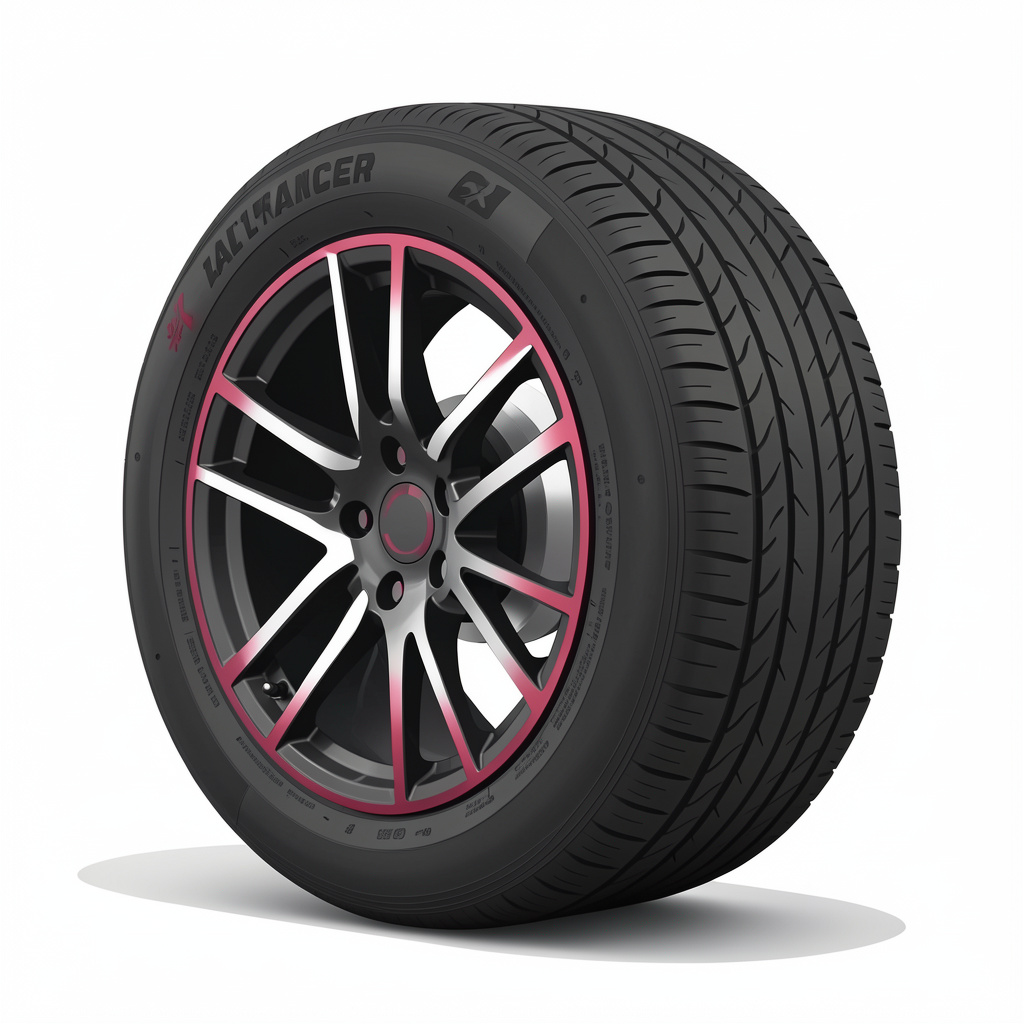
All-season tires are designed to provide year-round performance without switching between summer tires and winter tires. These tires attempt to balance the characteristics of both summer and winter tires, offering moderate performance in all weather conditions. However, all-season tires make compromises that affect their performance compared to dedicated seasonal tires.
All-Season vs. Winter vs. Summer Tires
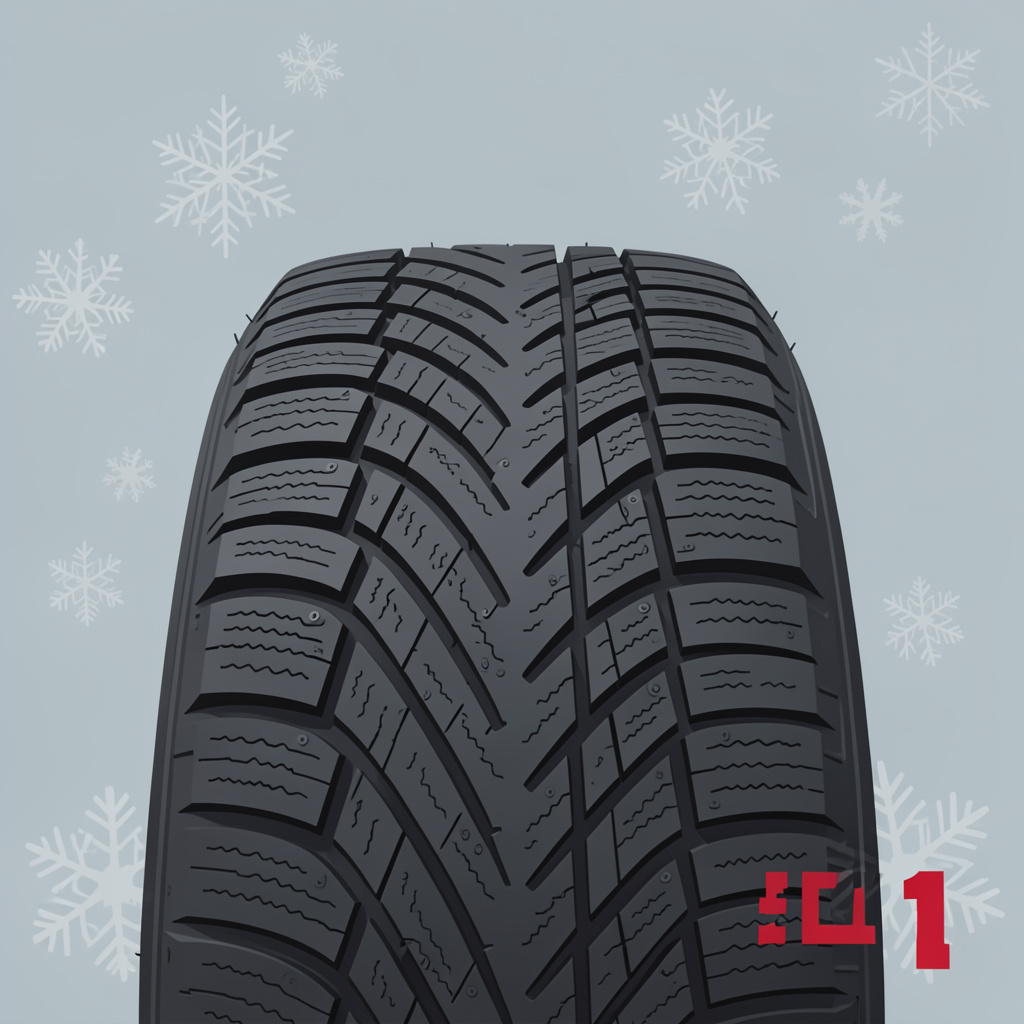
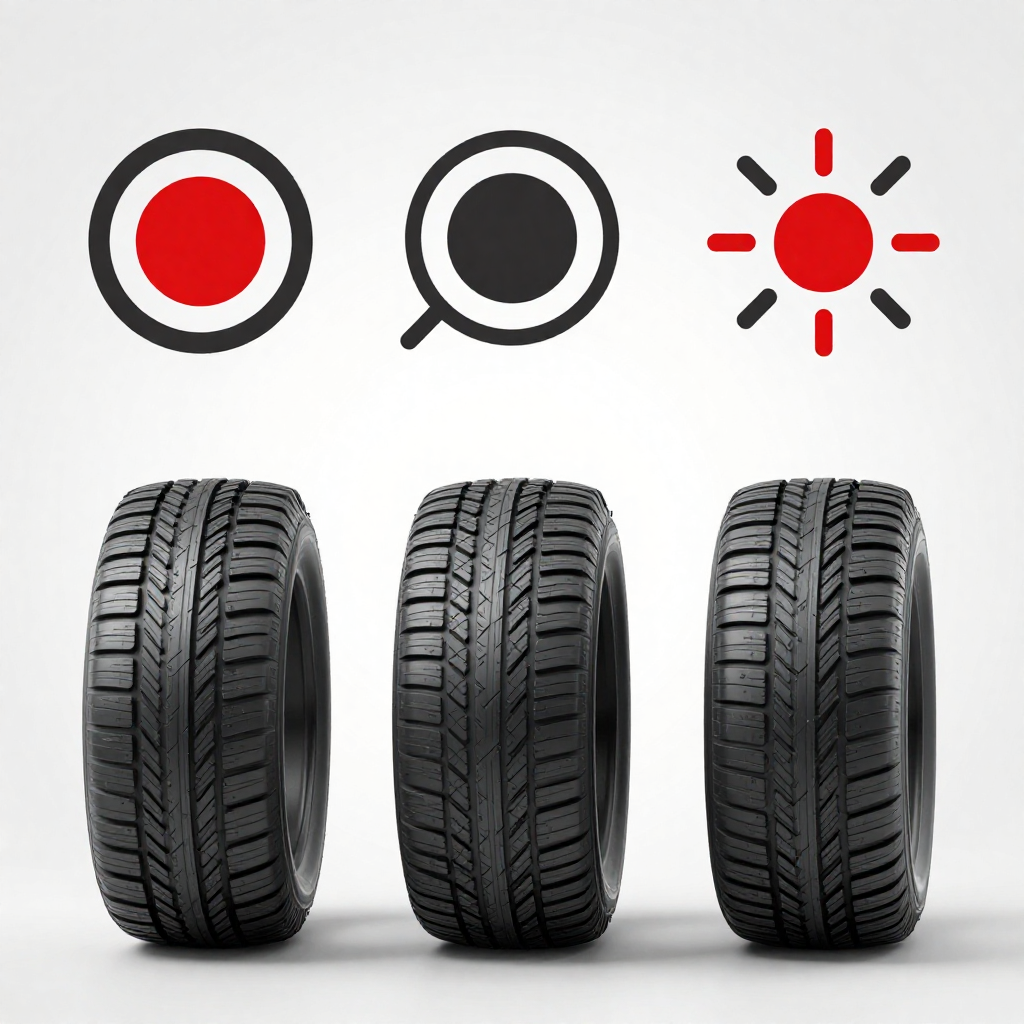
Understanding the differences helps you choose the right tires. Winter tires excel in cold weather, snow, and ice with soft rubber compounds. Summer tires perform best in warm conditions with harder compounds for grip and fuel efficiency. All-season tires use a medium compound that works in both conditions but doesn't excel in either. In harsh winters, all-season tires cannot match winter tire safety. In summer heat, all-season tires underperform compared to summer tires.
Advantages of All-Season Tires
- Convenience - no seasonal swapping between winter and summer tires
- Cost savings - one set of tires instead of two
- No storage needed for off-season tires
- Suitable for mild climates with minimal winter weather
- Good option for secondary vehicles with light use
Disadvantages of All-Season Tires
All-season tires compromise safety and performance. In winter conditions, winter tires provide 25-50% better grip than all-season tires on snow and ice. In Iceland's harsh winters, this difference is critical for safety. During summer, summer tires offer superior handling, braking, and fuel economy compared to all-season tires. Performance-oriented drivers notice the handling difference immediately.
When All-Season Tires Make Sense
All-season tires work best in regions with mild winters and moderate summers. If you experience minimal snow and ice, and temperatures rarely drop below freezing, all-season tires may suffice. However, in Iceland, dedicated winter tires and summer tires are strongly recommended. The seasonal temperature extremes and winter conditions mean all-season tires cannot provide the same safety as proper winter tires in winter or the performance of summer tires in summer.
Making the Right Choice for Your Vehicle
Consider your climate, driving conditions, and safety priorities. For most Icelandic drivers, investing in two sets of tires - winter tires for winter and summer tires for summer - provides the best safety and performance. The cost of storing and swapping tires is offset by longer tire life and better fuel economy. Each type of tire lasts longer when used in appropriate conditions. All-season tires wear faster year-round compared to seasonal tire rotation.
Learn more about your tire options: read our guide to winter tires, our summer tires performance guide, or our seasonal tire changing guide for tips on when and how to switch.
At Fastparts, we stock winter tires, summer tires, and all-season tires from all major brands. Browse our selection of tires online and get expert advice on choosing the right tires for your needs.